
Home alarm systems with cameras: are they worth it for everyday protection?
Home alarm systems with cameras are often marketed as the complete answer to home protection. In reality, their value depends on how well the system fits your home, your routines, and the risks you actually want to reduce. For many homeowners, they are worth it, but not because cameras magically prevent every problem. They are worth it because they can improve awareness, confirm what is happening in real time, and help you respond faster when something feels off. That practical, everyday value is what makes them useful.
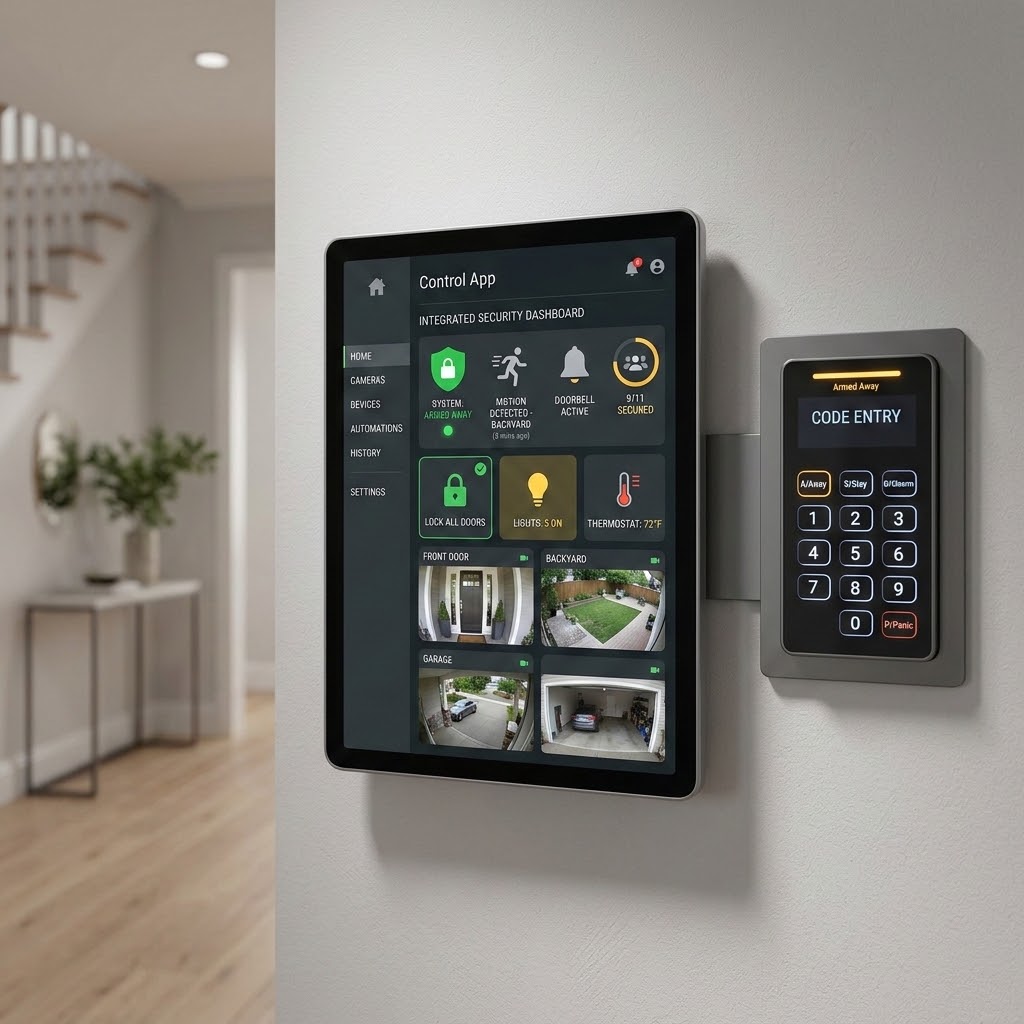
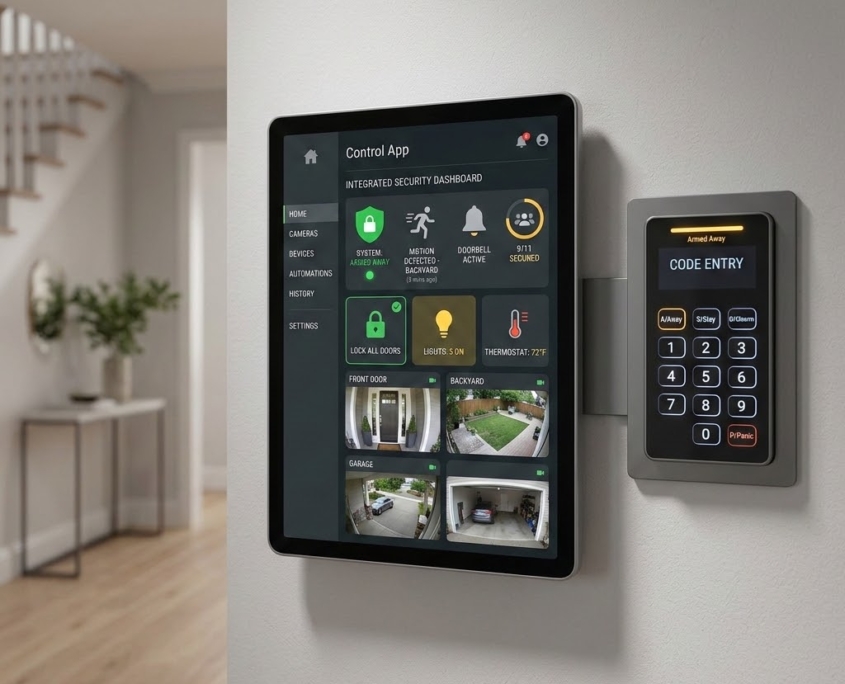
A camera-equipped alarm system does more than sound a siren. It combines intrusion detection with visual confirmation. That means a door sensor, motion detector, or entry alert can be tied to live or recorded video, remote app access, and notifications sent directly to the homeowner. Cyber Technologies’ existing service language already points toward this integrated model, where cameras, alarms, access awareness, and smart home controls work together instead of operating as separate devices.
What a home alarm system with cameras actually gives you
The biggest advantage is verification. A standard alarm can tell you that something triggered a sensor. A camera can help show whether that alert came from a delivery, a family member coming home early, a pet crossing a room, or a genuine security issue. That extra context matters because it reduces guesswork and makes alerts more useful in daily life.
Research on burglary decisions also supports the broader value of visible security. In a UNC Charlotte study based on survey responses from 422 convicted offenders, burglars reported paying attention to signs of increased security, including alarm signs, alarms, and outdoor cameras or other surveillance equipment. In that same research, 83% said they would try to determine whether an alarm was present before attempting a burglary, and 60% said they would move to another target if an alarm was on-site.
That does not mean every criminal will turn away, and it does not mean a camera alone makes a house secure. It does mean that visible, layered protection can influence target selection, especially when it is obvious that the home is monitored and not easy to approach unnoticed. In plain terms, cameras and alarms do not need to be perfect to be useful. They only need to make your property a less attractive target and give you better awareness if something happens.
Why are they often worth it for everyday protection
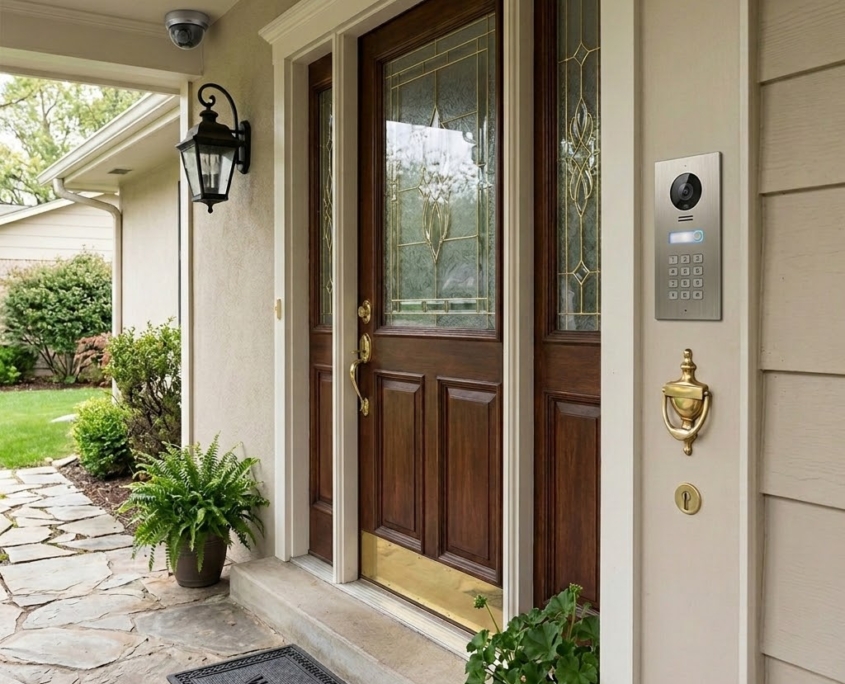
Most homeowners do not buy cameras because they expect a major crime event every week. They buy them for smaller, everyday reasons that still matter: checking who is at the door, confirming when kids get home, seeing whether a package was delivered, reviewing late-night motion alerts, or understanding what happened around the property after the fact. That is where these systems earn their keep. They support routine visibility, not just emergency response.
They also make alerts more actionable. If your phone pings while you are at work, live video can help you decide whether to ignore the alert, speak through a connected device, contact a neighbor, or call for help. A basic alarm can create noise. A connected camera system creates information. That difference is what makes many homeowners feel that the system is paying off day to day, not just sitting idle for a worst-case scenario.
There is also a documentation benefit. Recorded footage can help clarify timelines, identify recurring issues, or support conversations with police, insurance carriers, neighbors, or delivery providers. Not every clip will solve a problem, but good placement, proper image quality, and secure storage can make the system far more useful than a door sensor alone.
Where cameras do not solve the whole problem
Cameras are helpful, but they are not a substitute for a full residential safety plan. They do not reinforce weak doors, correct poor exterior lighting, or replace basic fire protection. If a homeowner installs cameras but ignores smoke detection, deadbolts, blind spots, or network security, the system will have real gaps.
That fire-safety point is especially important. According to NFPA research published in June 2024, the death rate per 1,000 home structure fires is about 60% lower in homes with working smoke alarms than in homes with no alarms or alarms that did not operate. The same report found that 59% of home fire deaths in the 2018 to 2022 period happened in properties with no smoke alarms or alarms that failed to operate. So if everyday protection is the goal, intrusion cameras should sit alongside working smoke or fire alarm protection, not in place of it.
That is one reason integrated planning matters. A well-designed home protection setup considers burglary risk, entry control, visibility, fire safety, and how the homeowner actually uses the space. The right answer is rarely “just buy more cameras.” The right answer is usually “build a system that covers the right risks in the right places.”
What makes a camera alarm system worth the cost
A camera alarm system is usually worth it when it does four things well.
First, it covers real entry and activity zones. Front doors, back doors, driveways, garage access points, and poorly visible side paths tend to matter more than random interior corners. A few well-placed cameras usually deliver more value than too many badly placed ones.
Second, it gives clear alerts instead of constant false notifications. If the system pings every time a tree moves or a pet crosses the living room, people start ignoring it. Everyday protection only works when alerts are relevant enough that you actually look at them. Good placement, thoughtful motion zones, and careful setup matter as much as the equipment itself.
Third, it stores footage in a way that is practical and secure. Local storage, cloud storage, or a hybrid setup can all work, but homeowners should know how long footage is kept, who can access it, and what happens if the internet drops. In late 2024, FTC staff found that nearly 89% of the smart products they surveyed did not clearly disclose how long the products would receive software updates, which matters because unsupported devices can become less secure over time. That makes long-term support and update policies a real buying factor, not a minor detail.
Fourth, it is secure from a cybersecurity standpoint. The FTC advises homeowners to change default usernames and passwords, use two-factor authentication where available, enable security features, keep firmware updated, and disable unused remote-management features. NIST also recommends steps such as using multi-factor authentication, not reusing passwords, enabling automatic updates, and separating smart devices onto a different network when possible. Those steps matter because a poorly secured camera can create privacy and security problems of its own.
Should homeowners choose DIY or professional installation?
DIY systems can work for simple homes and basic needs, especially when homeowners are comfortable handling app setup, device placement, and network configuration. But the tradeoff is that many of the details that affect performance most are easy to miss. Camera height, lens angle, nighttime visibility, Wi-Fi stability, overlap between detection zones, and secure configuration all influence whether the system will be genuinely helpful or just technically installed.
Professional installation becomes more valuable when the property has multiple access points, detached structures, limited visibility lines, smart-home integrations, or a need to combine alarms, surveillance, and fire protection into one coordinated setup. In those cases, the system is not just a gadget purchase. It is part of the home’s operating infrastructure. Cyber Technologies’ own service pages consistently frame this as structured integration rather than one-off device installation, which is the right mindset for long-term reliability.
So, are home alarm systems with cameras worth it?
For everyday protection, yes, they often are worth it, but only when expectations are realistic. They are not a guarantee against crime, and they are not a replacement for locks, lighting, smoke alarms, or good system maintenance. What they do offer is stronger visibility, quicker verification, better awareness of what is happening around your home, and a more complete record when something goes wrong.
That is what makes them valuable in daily life. They help homeowners move from uncertainty to clarity. Instead of wondering whether an alert matters, whether a package arrived, whether someone entered a side gate, or whether a sensor was triggered for a real reason, you can check, confirm, and act. When the system is thoughtfully designed, that peace of mind is not just a marketing claim. It is a practical benefit you use all the time.
Conclusion: Build protection around how you actually live
If you are considering a home alarm system with cameras, the best question is not simply “Are they worth it?” The better question is, “Will this system be designed to protect the way my home actually works?” A strong setup should reflect your layout, your routines, your blind spots, and your priorities, while also accounting for fire safety, device security, and long-term reliability.
Cyber Technologies helps homeowners build integrated protection that is practical, reliable, and tailored to the property instead of being forced into a generic package. If you want a smarter way to combine alarms, cameras, and connected home protection, visit Cyber Technologies to explore a system built for everyday use.
If you want a smarter way to combine alarms, cameras, and connected home protection, visit https://cyber-technologies.biz/ to get started.