
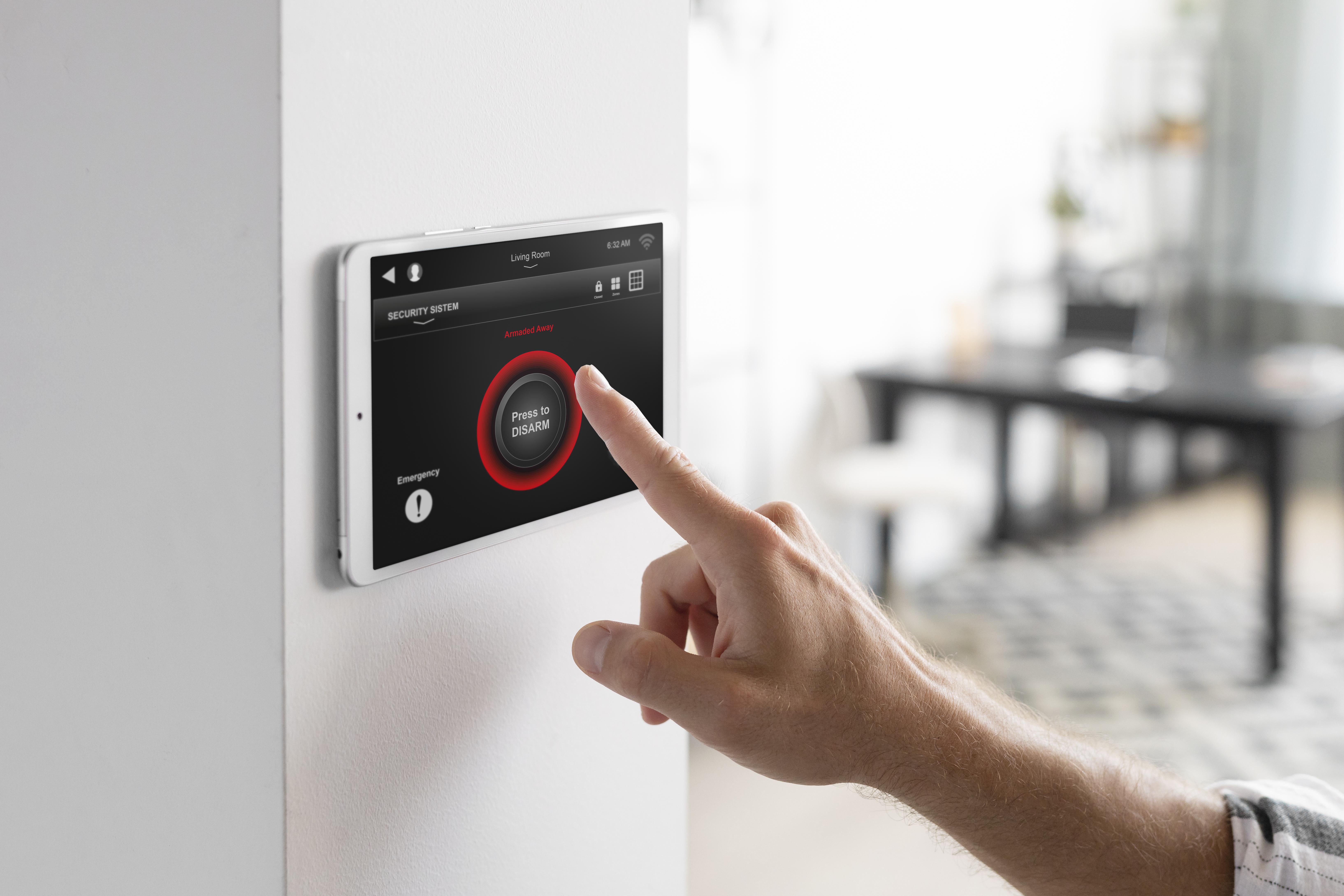
What to know before installing a residential fire alarm system
Installing a residential fire alarm system is not just a box-checking project. It is one of the few home upgrades that can directly affect how quickly your household is alerted when a fire starts. NFPA research reports that the risk of dying in a home fire is cut by 60% when working smoke alarms are present, which is why placement, power source, and long-term maintenance matter as much as the device itself.
A residential fire alarm system is more than a set of devices placed around the house. It should be planned around the way the home is laid out, where people sleep, and which areas may carry greater fire risk. When the system is designed with those factors in mind, it can provide earlier warning, support safer evacuation, and give homeowners more confidence that their protection will work when it matters most.
Start with the layout, not the product
A common mistake is choosing devices first and thinking about coverage later. In practice, the smarter order is the opposite. Your floor plan, ceiling heights, room uses, stairwells, renovation constraints, and sleeping areas should shape the system design before any hardware is selected. That aligns with the approach reflected in Cyber Technologies’ service copy, which emphasizes evaluating layout, structural conditions, and high-risk zones before installation.
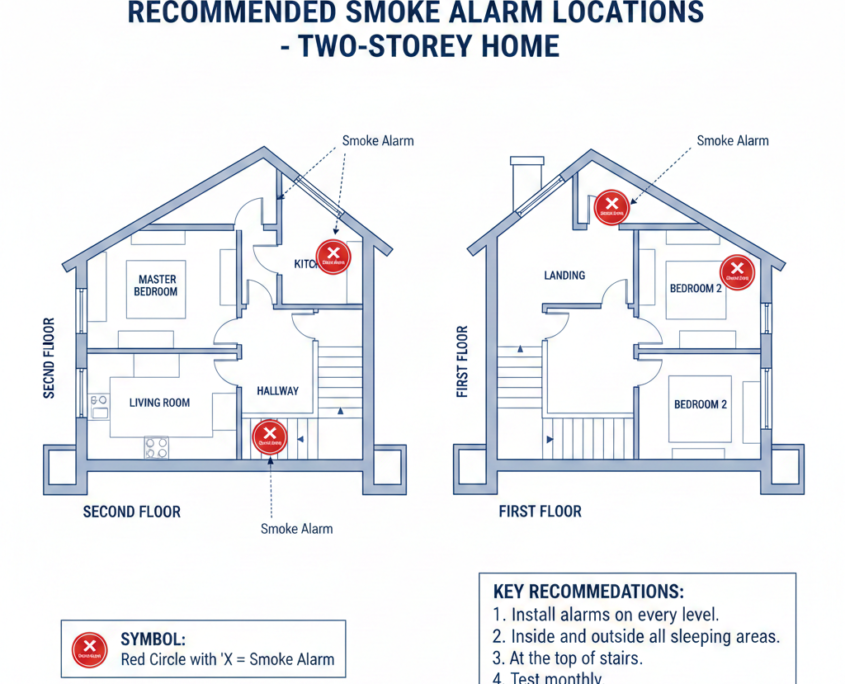
That planning stage matters because national fire safety guidance is clear on placement basics. NFPA and USFA recommend installing smoke alarms inside every bedroom, outside each sleeping area, and on every level of the home, including the basement. USFA also recommends interconnected alarms so that when one device sounds, all of them sound.
Know where alarms should and should not go
Good placement improves early warning. Poor placement leads to nuisance alarms, delayed detection, or dead zones.
At a basic level, smoke alarms should be mounted on the ceiling or high on the wall because smoke rises. NFPA guidance also notes that wall-mounted alarms should be installed close to the ceiling, and in rooms with pitched ceilings, placement near the highest point is generally recommended according to the manufacturer’s instructions.
There are also locations to avoid. NFPA guidance says smoke alarms should be installed at least 10 feet from a cooking appliance to reduce nuisance alarms. USFA materials also warn against placing alarms too close to bathrooms, where steam can trigger false alarms. In basements, NFPA advises installing the alarm near the bottom of the stairs rather than at the top, since dead air near a closed door can delay smoke reaching the unit.
This is one reason professional planning helps. A residential fire alarm system should respond to real conditions inside the home, not just generic room labels. An open-plan kitchen-living area, finished basement, converted attic, or home office used as a sleeping space can all affect how the system should be designed.
Decide between hardwired and wireless
Many homeowners assume hardwired is always better and wireless is always a compromise. The truth is more practical.
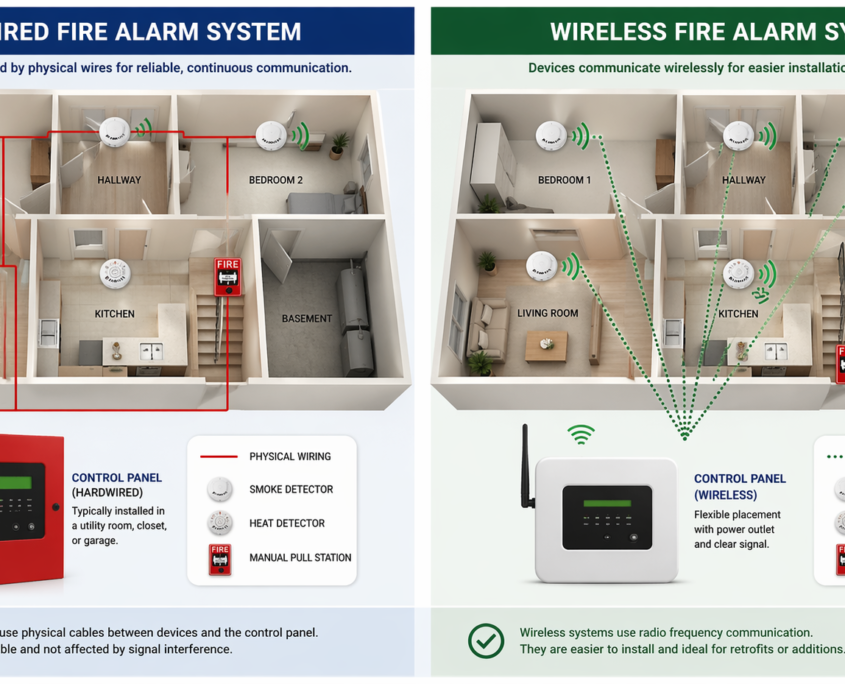
Hardwired alarms are often a strong option when you are building, doing major renovations, or already opening ceilings and walls. They can support reliable interconnection and usually include battery backup for outages. USFA says hardwired smoke alarms should be installed by qualified electricians.
Wireless systems can make more sense in finished homes where preserving walls and ceilings matters. Cyber Technologies’ uploaded optimization notes specifically frame residential wireless fire alarm systems as useful where wiring limits, renovation conditions, or architectural constraints make invasive installation less appealing, while still allowing expansion as the home changes.
So the real question is not which option sounds more advanced. It is which option fits the home? If the property is older, already finished, or likely to expand later, a wireless or hybrid design may be the better fit. If the home is under renovation and you want more permanent infrastructure, hardwiring may be worth the extra work up front. Either way, interconnection, proper placement, and reliable backup power matter more than marketing language.
Choose the right alarm type and features
Another thing to know before installation is that not all alarms detect fire in the same way. USFA recommends that homes use both ionization and photoelectric smoke alarms, or dual-sensor alarms that combine both technologies, because different fire conditions can develop differently.
That does not mean every home needs the same product mix in every room. It does mean homeowners should not reduce the decision to price alone. A better approach is to look at likely risk areas, sleeping spaces, nuisance alarm history, and whether anyone in the home has hearing loss. USFA notes that there are alarm options with strobe lights or vibration features for people who may not hear a standard alarm.
For larger homes or homes already using integrated technology, it may also make sense to think about how the fire alarm system fits into the wider home environment. Cyber Technologies’ uploaded materials consistently position residential technology as something that benefits from structured integration and future-ready planning, which can matter when life safety, security, and smart home controls are expected to work together cleanly.
Installation is only half the job
A residential fire alarm system is only useful if it keeps working after installation day. That means testing, cleaning, battery replacement, and eventual device replacement all need to be part of the decision before you buy.
NFPA and CPSC recommend testing smoke alarms regularly using the test button, and CPSC says alarms should be replaced after 10 years or according to the manufacturer’s instructions. CPSC also advises replacing batteries at least yearly unless the alarm uses a sealed 10-year battery. NFPA and USFA both stress following the manufacturer’s instructions for cleaning and upkeep.
That is why the lowest sticker price is not always the lowest ownership cost. A system that is easy to test, easy to maintain, and clearly labeled for replacement dates is often the better long-term choice for a busy household.
Your escape plan matters too
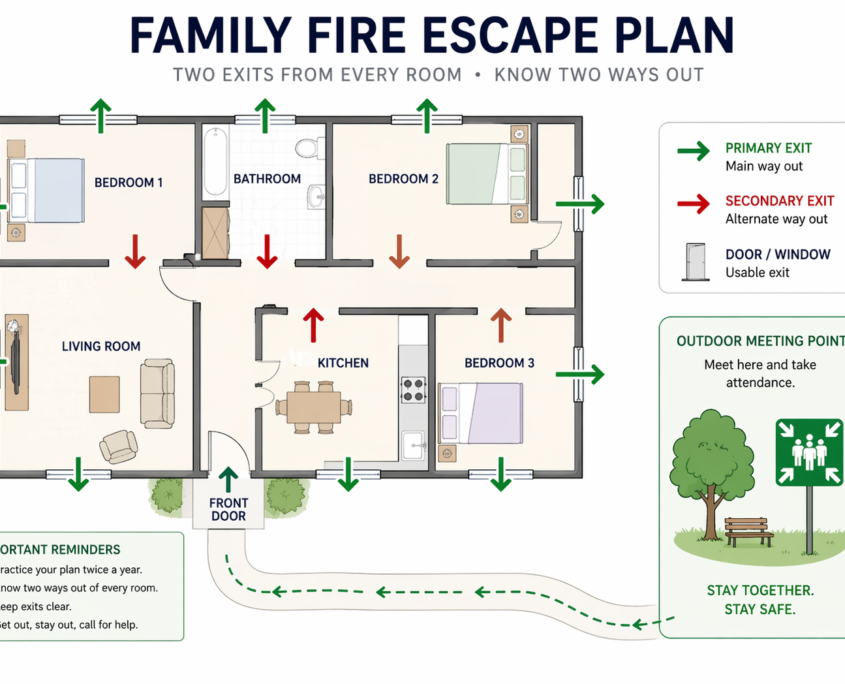
Even the best alarm system is not a replacement for a fire escape plan. NFPA recommends that homes pair working smoke alarms with a practiced escape strategy, including a meeting place outside and a clear understanding of how everyone will respond when the alarm sounds.
Bedroom coverage is especially important here. USFA notes that a closed door may slow the spread of smoke, heat, and fire, which is one reason alarms should be placed both inside and outside sleeping rooms. That gives occupants a better chance of hearing an alarm early enough to move.
If children, older adults, or anyone with hearing limitations live in the home, that planning becomes even more important. The right system is not just the one that detects a problem. It is the one your household can realistically hear, understand, and act on quickly.
When professional installation makes sense
Some homeowners can handle basic alarm replacement. Full system planning is different.
If the home has multiple levels, recent additions, finished basement space, unusual ceiling lines, integrated smart home devices, or a desire for wireless expansion, it usually makes sense to bring in a professional. Cyber Technologies’ own service positioning emphasizes structured assessment, calibrated installation, stable communication between devices, and long-term scalability. That is especially relevant when life-safety devices need to work consistently across a changing property.
Professional installation also reduces the odds of common mistakes: too few devices, bad placement near kitchens or bathrooms, ignoring basement coverage, mixing incompatible products, or treating a fire alarm system like just another smart gadget. For something this important, a tailored design is usually worth more than a fast install.
Conclusion
Before installing a residential fire alarm system, focus on the decisions that affect performance later: coverage, placement, interconnection, power source, maintenance, and how the system fits your home’s layout. A good installation should do more than meet a checklist. It should give your household earlier warning, fewer weak spots, and a setup that still makes sense years from now.
If you want a system designed around your property rather than a generic package, Cyber Technologies can help you evaluate the layout, choose the right approach, and build a residential fire protection setup that is practical, scalable, and easier to live with over time. Visit Cyber Technologies to learn more.
FAQ
How many smoke alarms should a home have?
Most homes should have smoke alarms inside every bedroom, outside each sleeping area, and on every level of the house, including the basement.
Is a wireless residential fire alarm system reliable?
Yes, a properly installed wireless system can be reliable for many homes, especially where running new wiring would be difficult. The key is correct setup, strong signal communication, and regular maintenance.
How often should a residential fire alarm system be tested?
It is a good idea to test alarms regularly using the test button and follow the manufacturer’s recommendations for battery changes, cleaning, and replacement.
Can I install a residential fire alarm system myself?
Basic alarm replacement may be manageable for some homeowners, but a full residential fire alarm system is often better handled by a professional, especially in larger homes or properties with multiple floors.
How long do fire alarms usually last?
Many fire alarms need to be replaced after about 10 years, though homeowners should always check the manufacturer’s instructions for the exact replacement timeline.