Smart home solutions vs. standalone devices: what actually makes a home safer
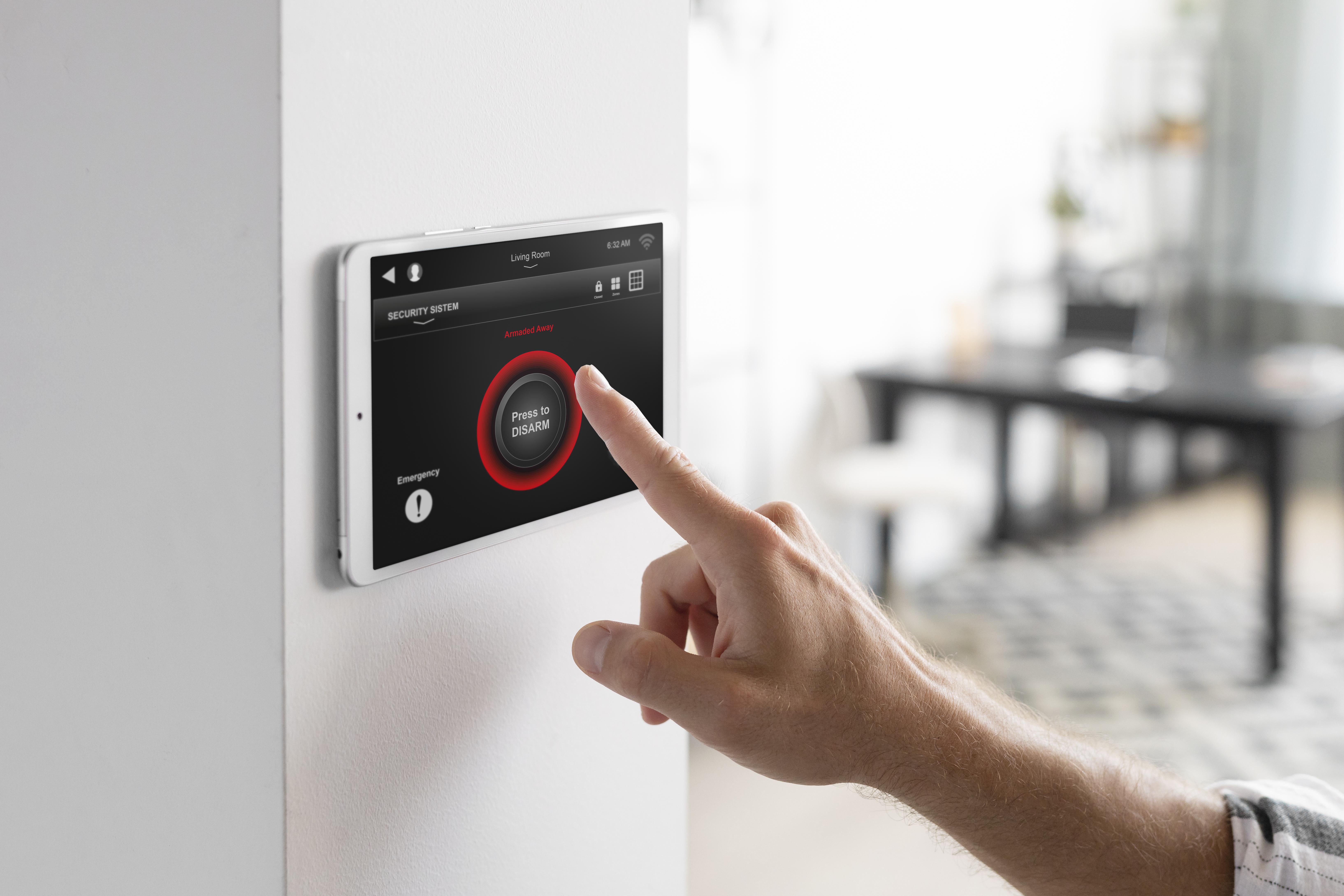
When people think about home safety, they often compare two options: buying a few standalone devices or investing in broader smart home solutions. On the surface, the choice seems simple. A doorbell camera, a couple of sensors, and a smoke alarm may feel like enough. But what actually makes a home safer is not the number of devices. It is how well they cover real risks, how quickly they alert you, how reliably they work, and how securely they are configured. That broader, integrated approach is also reflected in Cyber Technologies’ on-page strategy, which emphasizes connected surveillance, entry control, alerts, and centralized management rather than isolated gadgets.
The honest answer is that standalone devices can improve safety, and in some homes, they may be a perfectly reasonable starting point. But a safer home is usually built around layers: fire detection, entry monitoring, visual verification, remote alerts, backup power, secure connectivity, and consistent maintenance. In other words, the system matters more than any single product. That is why the better comparison is not “smart” versus “simple.” It is “connected and complete” versus “piecemeal and limited.”
What standalone devices do well
Standalone devices appeal to homeowners for a reason. They are usually less expensive upfront, easier to buy, and faster to install. A battery-powered smoke alarm, a single outdoor camera, or a smart lock can each solve one specific problem without requiring a full home technology plan. For renters, smaller homes, and households with straightforward needs, that can be enough.
They also work well when the goal is narrow and clear. If your main concern is seeing who is at the front door, a single doorbell camera may do the job. If your concern is basic fire detection, a properly installed smoke alarm is essential. In fact, NFPA reports that the death rate per 1,000 reported home fires was 60 percent lower in home structure fires when smoke alarms operated compared with fires in homes with no alarms or alarms that failed to operate. NFPA also recommends interconnecting alarms so that when one sounds, they all sound.
That point matters because it shows something important: safety comes from reliable coverage and response, not from marketing labels. A standalone device can be effective when it is the right device, in the right place, maintained properly, and designed for the actual risk.
Where standalone devices start to fall short
The weakness of standalone devices is not that they are useless. It is that they often leave gaps between one safety function and another.
A camera may record motion at the driveway, but it may not trigger lights, notify the right person fast enough, or connect to a wider alarm workflow. A smart lock may control the front door, but it does nothing for side windows, detached garages, or smoke detection. A battery-powered alarm may sound in one hallway, but if it is not interconnected with other alarms, people elsewhere in the house may hear it too late. NFPA’s guidance on interconnection exists for exactly this reason: a home is safer when critical alerts are shared across the whole property, not isolated to one device.
The same logic applies to security cameras. A major systematic review published through the U.S. Office of Justice Programs found that CCTV is associated with a significant but modest decrease in crime, with stronger results when cameras are paired with active monitoring or other interventions. The review specifically notes that CCTV should not be treated as a stand-alone crime prevention measure. That is a useful reality check for homeowners. A camera helps, but a camera alone is not a full security strategy.
What smart home solutions change
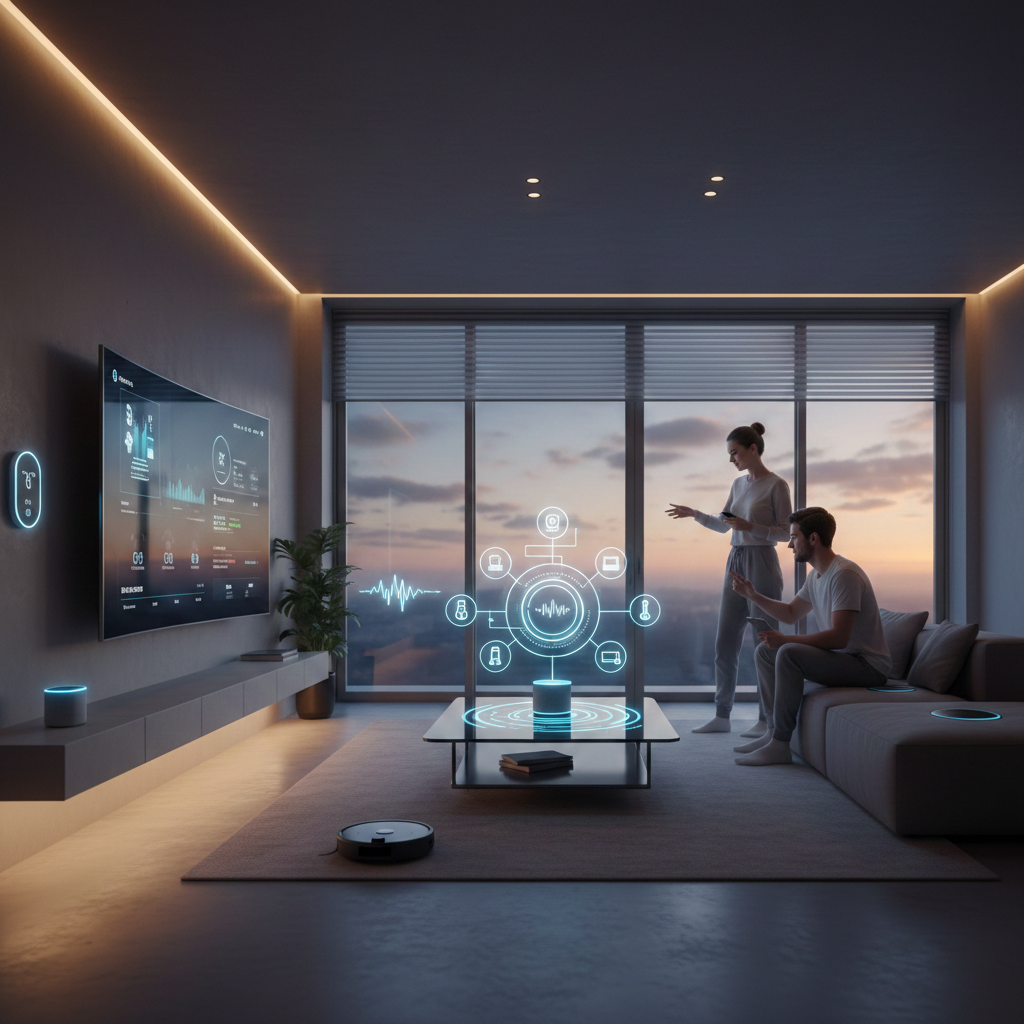
This is where smart home solutions can offer a real safety advantage. A well-designed integrated setup connects the major parts of home protection so they work together instead of independently. Cyber Technologies’ site materials describe this clearly: smart home security is framed as a coordinated environment with video surveillance, intelligent entry management, instant alerts, mobile control, and professional configuration for long-term performance. The same materials emphasize home automation system installation as a way to unify lighting, climate, entertainment, and security into a stable control structure.
In practical terms, that means one event can trigger multiple responses. A motion event after midnight can turn on exterior lights, send a phone alert, and store video footage. A smoke alarm can notify the household across the home instead of just in one room. A homeowner away on vacation can check cameras, lock doors, and confirm system status from the same app rather than juggling separate logins and separate notifications. An integrated setup can also make maintenance simpler because the system is planned as one environment instead of a stack of unrelated gadgets.
That does not mean every connected home is automatically safer. Integration only helps when the system is designed well. Poor placement, weak Wi-Fi, inconsistent updates, and bad passwords can turn convenience into a new risk.
Safety is physical and digital now
One reason smart home solutions require more thought is that home safety now includes cybersecurity. If your cameras, locks, or sensors are connected, their digital security becomes part of your physical security.
NIST has warned that unsupported smart home devices can create serious safety and security issues because unpatched products may remain connected and vulnerable. NIST’s consumer guidance also advises people to plan before buying, enable stronger authentication, avoid reusing passwords, keep devices updated automatically, and consider separating smart home devices onto a different network from laptops or other sensitive devices.
CISA likewise warns that default passwords on connected devices are easy to find online and should be changed. NIST has also been developing baseline cybersecurity criteria for consumer IoT products and contributed to the foundation of the U.S. Cyber Trust Mark program for smart devices. Together, those signals point to a simple rule for homeowners: a connected device that is not maintained securely can weaken the very safety system it was meant to improve.
So when comparing smart home solutions with standalone devices, the real issue is not just “Does it connect?” It is “Does it connect safely, reliably, and in a way that helps the household respond faster?”
What actually makes a home safer
If we strip away the branding and focus on outcomes, a safer home usually has five traits.
First, it has complete coverage. That means the system addresses the main risks the household faces: fire, intrusion, visibility around entry points, and awareness when no one is home. NFPA’s fire guidance makes clear that placement and interconnection matter, not just ownership of an alarm.
Second, it has fast, clear alerts. The household should know quickly when something happens and understand where the problem is. Smart home solutions can improve this by centralizing alerts, but standalone devices can still contribute if they are placed and maintained correctly.
Third, it has layered protection. Cameras, locks, alarms, lighting, and sensors work best when they support one another. The crime-prevention research on CCTV strongly suggests that multiple interventions outperform isolated camera deployment.
Fourth, it has reliability. Batteries need replacement. Software needs updates. Networks need stability. Cyber Technologies’ uploaded content repeatedly stresses planning, compatibility, calibration, and long-term performance for both smart home and security installations. That is a good reminder that safety is not just about buying hardware. It is about keeping the system dependable over time.
Fifth, it has a secure configuration. Strong passwords, regular updates, privacy settings, and supported devices are part of home safety now. A modern security setup that ignores digital hygiene is incomplete.
So which option is better?
For a small apartment or a homeowner on a tight budget, a few well-chosen standalone devices may be a smart first step. A quality smoke alarm setup, one or two cameras, and a basic entry sensor can meaningfully improve awareness.
But for larger homes, families with multiple entry points, homeowners who travel often, or properties where convenience and visibility both matter, integrated smart home solutions usually make more sense. They reduce the chance that one device will work in isolation while another fails to help. They can also simplify daily use because security, monitoring, and control are brought into one clearer system. That integrated approach is consistent with the structure Cyber Technologies uses across its smart home, camera, and fire alarm service pages.
The key is to avoid the false choice that “smart” is always safer or that “simple” is always better. A safer home is the one with the fewest blind spots, the clearest alerts, the strongest maintenance habits, and the most appropriate design for the people living there.
Conclusion
Smart home solutions are not automatically safer than standalone devices, but they often create a safer result when they improve coverage, coordination, and response across the whole home. Standalone devices can help, especially as a starting point, but they tend to work best when they are part of a broader plan rather than a collection of separate fixes. If you want to assess what your home actually needs, from cameras and alerts to integrated automation and fire safety planning, explore your options at https://cyber-technologies.biz/.