
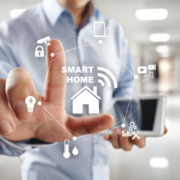
Smart home automation adds convenience, control, and security to your home. Keep reading to learn more.

Smart,Home,Automation,Concept,On,Virtual,Screen.

Winter-Ready Smart Home Systems: Keeping Your Security, Automation, and Fire Alarms Reliable in January

As temperatures plunge and snow begins to fall, homes across the Northeast face unique challenges that extend beyond icy driveways and drafty windows. For homeowners in places like Newburgh, Beacon, Ulster County, Fishkill, and Danbury, it’s essential to ensure their smart home systems are optimized for winter conditions. Winter-ready smart home systems are not just about convenience; they are about staying protected when the stakes are highest.

In this guide, we explore how to keep your home’s smart security, automation, and fire alarm systems running reliably through the coldest month of the year. Whether you live in the heart of Beacon or on the outskirts of Danbury, understanding how your residential technology adapts to January weather can save you from costly mishaps and offer peace of mind during snowstorms and freezing nights.

Ensuring Smart Security During Cold Snaps in Beacon, NY

Smart home security during winter in Beacon, NY becomes increasingly critical when icy conditions make it more difficult to address emergencies or respond to intrusions. Icy sidewalks and snow-covered roads can delay law enforcement or emergency services, which means your home’s security system becomes the first and most crucial line of defense.

Cold weather can affect the performance of wireless sensors and battery-powered devices, including outdoor cameras, door sensors, and motion detectors. Homeowners should make it a priority to check battery levels and replace older units with weather-resistant options rated for sub-zero temperatures. High-quality smart locks with anti-freeze mechanisms are also a must-have, particularly for homes with frequent deliveries or visitors.

Connectivity is another area that must be optimized. A secure and consistent Wi-Fi connection ensures real-time alerts from smart cameras or alarm systems reach your phone without delay. With Beacon’s often unpredictable winter storms, backup power sources or generators can also ensure security systems continue to operate during outages. Investing in professional monitoring services can be an added layer of protection, offering 24/7 surveillance when you’re away for the weekend or stuck at work during a snowstorm.

Fire Alarm System Reliability in Ulster County, NY

When it comes to fire alarm system reliability in Ulster County, NY, homeowners must be especially vigilant during January. The winter months see a spike in house fires due to increased use of space heaters, fireplaces, and overloaded electrical outlets. Faulty smoke detectors or disconnected fire alarms can turn a minor incident into a major disaster.

Cold weather can reduce battery life, so it’s vital to test your fire alarm system regularly during winter. Smart fire alarm systems that send maintenance notifications or low-battery alerts to your phone provide an added level of security. Additionally, interconnected alarms that simultaneously trigger all units in the home can be lifesaving in larger houses or multi-story residences common throughout Ulster County.

Another critical aspect is ensuring that heating systems, especially older models, do not pose carbon monoxide risks. Smart carbon monoxide detectors integrated with your overall fire alarm system should be placed near sleeping areas and gas-burning appliances. These smart detectors can alert you instantly if dangerous levels are detected, even when you’re away from home.

Some systems offer advanced features like temperature monitoring or early smoke detection analytics, which can notify homeowners before a full alarm is triggered. In January, when every second counts and help might take longer to arrive, early detection can prevent extensive property damage and save lives.

Enhancing Smart Home Automation in Fishkill, NY

Smart home automation in Fishkill, NY takes on new meaning in winter, offering both comfort and safety as temperatures drop. With automation, you can program thermostats to maintain consistent warmth without wasting energy, ensure your lights simulate presence while you’re away, and monitor for freezing pipes in real time.

One of the most valuable aspects of winter-ready automation is climate control. Smart thermostats adapt to your schedule and local weather patterns, reducing heating costs while keeping your home cozy. Automated shades or blinds can help insulate your home by retaining heat during the night and letting in the sun during the day.

Water leak sensors are another important addition in January. Frozen pipes can burst and cause significant damage before you even realize there’s a problem. Smart water detection systems placed near vulnerable plumbing spots can immediately notify you of leaks and, in some advanced systems, automatically shut off your water supply to prevent further damage.

Homeowners in Fishkill can also use automation for managing exterior lights and security. Lights can be scheduled to turn on during the early evening hours when daylight fades quickly, reducing the risk of accidents and deterring potential intruders. Integrating voice control or remote app access adds convenience and ensures you can adjust your home’s systems even when you’re away on a ski trip or winter vacation.

Smart Home Systems in Newburgh, NY: Winter Maintenance and Upgrades

As January settles in, winter smart home systems in Newburgh, NY require routine maintenance and occasional upgrades to operate effectively. Cold weather can put strain on every component, from thermostats and sensors to outdoor cameras and smart locks. Making a few preemptive adjustments can ensure your systems remain responsive and durable throughout the season.

Begin with a comprehensive system check. Ensure that your devices are updated with the latest firmware, and check for any hardware issues that might have emerged during the previous months. Batteries should be replaced if they show signs of weakening, and connections should be tested to verify reliable communication between sensors, hubs, and mobile apps.

Outdoor cameras, often exposed to snow and ice, may need weatherproofing upgrades or special enclosures. Devices with built-in heaters or anti-fog lenses can perform better in extreme conditions. Similarly, smart doorbells should be tested to ensure they respond quickly despite the chill, particularly if visitors are more likely to linger outside waiting to be let in.

For households that include elderly residents or young children, integrating temperature monitoring into the smart system can help maintain safe indoor environments. Alerts can notify homeowners if a room drops below a set temperature, preventing potential health hazards and allowing for quicker response to HVAC system failures.

Residential Security Systems in Danbury, CT: Staying Safe All Season

Residential security systems in Danbury, CT are essential for both primary residences and vacation homes that might be vacant for extended periods during winter. These systems not only deter break-ins but also provide critical insights into environmental hazards like water damage or heating failures.

The fluctuating weather in Connecticut can contribute to power outages, which makes battery backup systems and cellular connectivity indispensable. Your system should remain operational even if the main power source goes down. With smart integration, these systems can also detect abnormal patterns, such as doors opening at odd hours or sensors being tampered with, and send immediate alerts to your smartphone.

Additionally, winter conditions can limit visibility, which affects outdoor surveillance. Installing high-resolution cameras with night vision and motion-activated lighting can improve clarity and deter unwanted visitors. Paired with smart locks, homeowners can grant access to neighbors, service professionals, or emergency personnel remotely, without having to brave the cold themselves.

Another factor to consider is maintenance scheduling. Many professional security companies offer winter-specific checkups to ensure your system is functioning optimally despite the cold. These inspections can address any vulnerabilities caused by snow accumulation or moisture, ensuring your property stays protected regardless of the weather.

Conclusion

From smart home automation in Fishkill to fire alarm system reliability in Ulster County, preparing your home’s technology for winter is essential for maintaining safety, comfort, and peace of mind. Whether you live in the snowy neighborhoods of Newburgh or the scenic hillsides of Danbury, your smart home systems need winterization just as much as your car or heating system.

Being proactive in January ensures your systems don’t falter when you need them most. Regular maintenance, timely upgrades, and integrated automation can transform winter challenges into manageable tasks. With the right strategies in place, smart home technology can become a dependable partner in keeping your home secure, efficient, and resilient all winter long.

Need Business & Home Automation Services in Poughkeepsie, NY?

Here at Cyber Technologies, we’re passionate about transforming your home or office into a seamless, smart environment tailored to your lifestyle today and ready for the innovations of tomorrow. With over a decade of expertise in systems integration, we specialize in creating customized solutions for everything from security systems to home automation, energy management, and audio/video systems. Whether you’re looking to enhance comfort, efficiency, or security, our team stays ahead of the curve in technology to deliver solutions designed specifically for you. Reach out to us today, and let’s design a smarter, more connected future together!
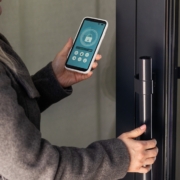
Female,Hand,Holding,Black,Mobile,Smart,Phone,With,Smart,Home

How to Winter-Proof Your Smart Home Security, Automation & Fire Protection in the Hudson Valley

As winter descends on the Hudson Valley, homeowners are right to focus on more than just snow shovels and space heaters. The winter months present unique challenges to smart home systems, especially those designed for security, automation, and fire protection. With plunging temperatures and unpredictable weather, your technology needs to be equipped to handle the season’s harsh demands. Whether you live in Newburgh, NY, Beacon, NY, Fishkill, NY, or Danbury, CT, maintaining system efficiency and reliability is crucial for peace of mind.

Winter smart home systems in Newburgh, NY, must withstand fluctuating temperatures and heavy snow accumulation that can interfere with sensors, cameras, and wireless signals. By addressing key system areas before winter hits its peak, homeowners can ensure optimal performance across all major components. This guide will walk you through essential winter-proofing strategies so your smart home continues working as intended when you need it the most.

Ensuring Security System Performance in Cold Temperatures

Maintaining reliable home security performance in Beacon, NY, during the winter means addressing how low temperatures can affect various components of your system. Outdoor cameras, motion sensors, and contact sensors often bear the brunt of the season, suffering from condensation, snow cover, and low battery output. Cold weather can reduce battery life by more than 50%, especially in devices not designed for freezing conditions.

One crucial step is checking device specifications for temperature ranges and upgrading to weatherproof models if needed. Homeowners should also ensure that cameras and sensors are installed in sheltered areas, such as under eaves or covered porches, to protect them from snow and ice. If your home uses wireless communication between components, it’s essential to test signal strength and range since snow and ice can interfere with connectivity.

Routine maintenance is another key element. Clear snow and ice from around sensors and camera lenses regularly to maintain visibility and accuracy. Also, inspect cables and wiring to ensure they are not exposed or vulnerable to moisture, which can lead to short circuits or performance drops. With proactive care, your home security system can continue operating smoothly throughout the coldest days of the year.

Smart Home Automation: Winter Maintenance Tips for Reliability

With more homes incorporating automated systems to manage heating, lighting, and energy use, smart home automation winter maintenance in Fishkill, NY, becomes vital for ensuring comfort and efficiency. Winter’s arrival often brings longer nights and increased heating needs, placing added stress on automated systems if not properly maintained.

Begin by reviewing your smart thermostat settings. During the winter, adaptive temperature schedules should reflect the changes in your household’s daily rhythm. Whether you’re working remotely or commuting, make sure your thermostat optimizes heating based on occupancy and weather forecasts. Many modern systems integrate with local weather services to make these adjustments automatically.

Lighting automation also deserves a winter update. Set timers to align with shorter daylight hours, ensuring that outdoor lighting enhances security and safety during early evenings. Inside, automated lighting can create a lived-in look even when you’re away, reducing the chances of your home being targeted during holiday travel.

Battery-powered smart devices should be fully charged or have fresh batteries installed before the cold sets in. Cold temperatures can cause lithium-ion and alkaline batteries to underperform, which may lead to communication failures between devices. Always check the health of your system’s central hub or smart controller, as its uptime ensures all other components remain synchronized and functional.

Fire Alarm System Reliability in Danbury’s Cold Climate

Few things are as important as ensuring fire alarm system winter reliability in Danbury, CT. While fires may seem like a summertime concern, winter actually sees a spike in house fires due to increased use of heating systems, fireplaces, and holiday decorations. That makes a reliable fire detection system more important than ever.

Cold weather can be particularly challenging for fire alarms and smoke detectors, especially if they are installed in unheated or semi-outdoor areas such as garages or attics. If temperatures fall too low, some sensors may become sluggish or even stop functioning altogether. It’s important to verify the placement of your detectors and relocate any that may be exposed to extreme cold.

Smart smoke detectors should be checked for firmware updates before winter, as manufacturers may issue performance patches designed to handle seasonal changes. Connectivity is also key. If your system includes alert capabilities to your smartphone or a monitoring service, test these features before the season begins to ensure alerts are received without delay.

For homes using integrated CO and smoke detectors, it’s particularly important to test for proper operation, since CO poisoning risks increase during winter due to reduced ventilation and more time spent indoors. Make sure all devices are hardwired when possible, with battery backup in place and tested monthly.

Adapting to Power Outages and Connectivity Loss

Smart homes are, by nature, dependent on power and connectivity. During winter, when storms and ice can cause outages, it’s essential to plan for disruptions in service. Homeowners across the Hudson Valley, from Beacon to Danbury, need to consider how their systems will behave during extended blackouts or network loss.

The first step is investing in battery backups for your central hub, routers, and other essential smart devices. A reliable Uninterruptible Power Supply (UPS) can provide several hours of power, long enough to maintain essential functions or initiate an orderly shutdown if needed. For critical systems like security alarms and smoke detectors, ensure that built-in battery backups are charged and have been tested recently.

Connectivity loss is another winter hazard. Freezing rain or heavy snow can bring down internet lines, cutting your smart home off from remote access and cloud services. To counter this, some systems offer local control modes, allowing basic functionality through Bluetooth or direct communication with the hub. If available, consider cellular backup options for your security system to maintain communication with monitoring services during internet outages.

Finally, you may want to integrate a smart generator or smart plugs with generator input detection. These tools can alert you to power changes and automate the response, such as adjusting HVAC settings to conserve energy or redirecting power to critical systems.

Optimizing System Integrations for Seasonal Behavior

The full potential of your smart home is realized when all systems work together in harmony. Winter adds a new dimension to this integration, as it alters usage patterns and energy consumption habits. Optimizing how systems communicate and respond to winter-specific events can improve safety and efficiency.

For example, integrate your security system with your smart thermostat so that motion detected near an entryway adjusts the temperature automatically when someone enters. Similarly, fire alarm triggers can be used to shut down HVAC systems to prevent the spread of smoke during a fire.

Smart shades or window coverings can be automated to open during sunny winter days to maximize passive solar heating, then close at night to retain warmth. Pairing these with temperature sensors and weather forecasts allows your system to make intelligent, energy-saving decisions.

In Fishkill, NY, homeowners using smart home automation systems in winter benefit most when these features are updated regularly and personalized to changing household needs. Simple routines and automation scripts should be reviewed each season to ensure relevance. Also, don’t overlook app updates and ecosystem compatibility checks, particularly if you’ve recently added new devices.

Conclusion

Winter in the Hudson Valley brings its own set of demands for homeowners relying on technology for security, automation, and fire safety. By preparing your smart systems ahead of the season, you can safeguard your home against temperature drops, power outages, and communication failures.

Whether you’re optimizing winter smart home systems in Newburgh, NY, ensuring dependable home security performance in Beacon, NY, staying ahead with smart home automation winter maintenance in Fishkill, NY, or prioritizing fire alarm system winter reliability in Danbury, CT, the key is proactive maintenance and intelligent system integration.

Winter-proofing your smart home isn’t a one-time task but an ongoing effort that evolves with your needs and environment. With thoughtful planning and the right tools, your home can remain warm, safe, and responsive no matter what winter throws your way.

Need Business & Home Automation Services in Poughkeepsie, NY?

Here at Cyber Technologies, we’re passionate about transforming your home or office into a seamless, smart environment tailored to your lifestyle today and ready for the innovations of tomorrow. With over a decade of expertise in systems integration, we specialize in creating customized solutions for everything from security systems to home automation, energy management, and audio/video systems. Whether you’re looking to enhance comfort, efficiency, or security, our team stays ahead of the curve in technology to deliver solutions designed specifically for you. Reach out to us today, and let’s design a smarter, more connected future together!

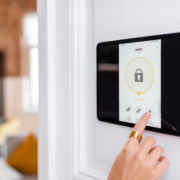
Controlling,Home,Alarm,System,With,A,Digital,Touch,Screen,Panel

How to Integrate Smart Locks and Alarm Systems in New York Homes

Living in New York means experiencing the best of urban life, but it also comes with a unique set of security challenges. From high-rise apartments in Manhattan to brownstones in Brooklyn, home security is a concern across all five boroughs. The hustle and bustle of the city, combined with the transient nature of many neighborhoods, increases the importance of advanced home protection. Traditional locks and standalone alarm systems, while useful, no longer offer comprehensive security.

Smart home technology has evolved to meet the demands of modern urban living. Devices like smart locks and alarm systems provide greater control, real-time monitoring, and seamless integration with smartphones. These features are particularly vital in a city like New York, where people often work long hours, travel frequently, or live in multi-tenant buildings. Integrating smart locks with alarm systems ensures that homeowners and renters alike can enjoy peace of mind, whether they’re at home or away.

Choosing the Right Smart Locks for Your Home

Before diving into system integration, it’s essential to choose the right smart lock for your specific living situation. Not all smart locks are created equal, and what works in a standalone house in Queens may not be ideal for a high-security condo in Manhattan.

There are generally two types of smart locks: those that replace your existing deadbolt and those that retrofit onto it. For renters or those living in historic buildings, retrofitting options like the August Smart Lock are popular because they don’t require changing the door’s exterior hardware. Meanwhile, homeowners who want a completely new look or higher security might opt for models like the Schlage Encode or Yale Assure Lock.

Compatibility with your existing door, Wi-Fi connectivity, and integration with platforms like Apple HomeKit, Google Assistant, or Amazon Alexa should be key considerations. In New York, where Wi-Fi interference and network congestion can be issues, it’s also worth looking into locks that offer offline modes or Bluetooth capabilities. Some models also support biometric access, keypads, or temporary access codes, which are incredibly useful for Airbnb hosts or households with domestic staff.

Selecting a Smart Alarm System That Works for NYC Living

Smart alarm systems offer a layered approach to home protection by combining sensors, cameras, sirens, and monitoring services. In dense urban environments like New York, selecting a system that’s both powerful and discreet is key. Too many loud alerts or false alarms can disrupt neighbors and potentially violate local noise ordinances.

Leading systems like SimpliSafe, Ring Alarm, and ADT Smart Home offer flexible options that can be tailored to apartments or larger homes. These systems typically include door/window sensors, motion detectors, video doorbells, and glass break sensors. For buildings with multiple entrances or fire escapes, it’s advisable to place sensors and cameras in less obvious access points as well.

Another critical feature is 24/7 monitoring. Many systems offer professional monitoring subscriptions that can dispatch emergency services when needed. In New York, this can be vital, especially in cases where residents might not be present to respond to a threat. Additionally, some insurance providers offer discounts for professionally monitored alarm systems, which can offset monthly costs.

Battery backup and cellular connectivity should also be prioritized. Power outages and Wi-Fi downtime are not uncommon in some parts of the city, and a system that can remain functional during those periods is invaluable.

How to Integrate Smart Locks and Alarms Seamlessly

Once you’ve selected your smart lock and alarm system, the next step is integration. Integration allows these devices to communicate with each other, offering a unified security experience. Ideally, you want your smart lock to trigger the alarm system when certain conditions are met, such as the door being opened during armed mode.

Some systems, such as Ring Alarm and Yale Smart Locks, offer native integration, especially if both are from the same parent company. For example, Ring and Yale can work together through the Ring app and Amazon Alexa ecosystem. Other integrations may require a smart home hub like Samsung SmartThings or Apple HomeKit to bridge communication between different brands.

In practical terms, integration might look like this: when you unlock your front door using your phone or code, the alarm system disarms automatically. Or, if the alarm is armed and someone tries to tamper with the lock, the system sends you a push notification and begins recording via security cameras.

Many users also program “scenes” or “routines” that adjust multiple devices at once. For instance, saying “Goodnight” to a smart assistant could lock all doors, arm the alarm, turn off the lights, and adjust the thermostat. In a fast-paced New York lifestyle, these automations can save time while boosting security.

To ensure integration is smooth, use apps and devices that support IFTTT (If This Then That), Matter, or Z-Wave protocols. These platforms allow for cross-brand compatibility and simplify automation across multiple devices.

Installation and Legal Considerations in New York

Installing smart locks and alarm systems in New York homes isn’t just about tech savvy—it’s also about understanding legal and logistical constraints. Many buildings, especially rent-stabilized apartments or co-ops, have rules about altering door hardware or installing cameras in shared spaces.

Before making any changes, it’s crucial to check with your landlord or building management. Installing a smart lock might be acceptable as long as the original hardware is retained and can be replaced upon moving out. Alarm systems that don’t require drilling or permanent installation are typically more acceptable in rental scenarios.

From a legal standpoint, surveillance equipment like video doorbells should not record areas beyond your private property. In New York, audio recording without consent can also breach wiretapping laws, so be cautious about using devices that capture sound. Posting clear signage about security monitoring can help avoid disputes with neighbors and meet certain legal standards.

Professional installation is optional but often helpful, especially when dealing with advanced integrations or multi-device setups. Many local security providers offer installation packages tailored to New York apartments and homes, ensuring compliance with building codes and avoiding interference with utilities.

Conclusion

Integrating smart locks and alarm systems in New York homes is more than a tech upgrade—it’s a step toward proactive, intelligent living in a dynamic urban environment. The complexity of city life demands security solutions that are not only robust but also adaptable to the unique architectural and regulatory landscape of New York.

By carefully selecting compatible smart locks and alarm systems, and ensuring they integrate smoothly through a unified platform, residents can create a seamless security network that provides real-time alerts, remote access, and automated protection. Whether you’re in a penthouse overlooking Central Park or a walk-up in Astoria, smart security can offer peace of mind, convenience, and control.

As smart home technology continues to evolve, the ability to protect one’s home with a few taps on a smartphone is no longer a luxury but a necessity. Embracing these innovations means being better prepared, more secure, and more in control—qualities that any New Yorker can appreciate.

Need Business & Home Automation Services in Poughkeepsie, NY?

Here at Cyber Technologies, we’re passionate about transforming your home or office into a seamless, smart environment tailored to your lifestyle today and ready for the innovations of tomorrow. With over a decade of expertise in systems integration, we specialize in creating customized solutions for everything from security systems to home automation, energy management, and audio/video systems. Whether you’re looking to enhance comfort, efficiency, or security, our team stays ahead of the curve in technology to deliver solutions designed specifically for you. Reach out to us today, and let’s design a smarter, more connected future together!

Smart,Home,Technology,,Wall,System,And,Couple,With,Digital,Dashboard

Why Smart Home Projects Fail Without Proper Design (and How to Avoid It)

In recent years, homeowners in Rhinebeck, NY, and across the Hudson Valley have increasingly embraced the possibilities of smart home technology. From automated lighting and advanced climate control to voice-activated security systems and integrated entertainment, the allure of convenience and connectivity has never been stronger. Yet despite the growing popularity of these innovations, many smart home projects encounter major challenges—or even fail outright—when proper smart home design is overlooked in the early stages.

Smart home planning is not just about picking the right devices or signing up for the latest platform. It is about carefully designing a system that integrates seamlessly with the way a household functions, both technically and practically. Without this foundation, even the most expensive equipment can quickly become frustrating to use, incompatible with other systems, or underutilized altogether. The reality is that technology alone cannot guarantee success. Thoughtful design ensures that a smart home project enhances daily life rather than complicating it.

Home automation project management is where this distinction becomes most visible. Proper design means anticipating challenges in wiring, connectivity, compatibility, and user training well before any devices are installed. For homeowners in Rhinebeck, NY, where architectural variety ranges from historic farmhouses to modern builds, this becomes especially critical. What works in one home may not apply to another, and overlooking these details during the design phase is a recipe for costly mistakes.

Common Pitfalls in Smart Home Projects

One of the most common reasons smart home projects fail is a lack of coherent planning. Many homeowners begin by purchasing devices piecemeal, excited by the possibilities of a smart thermostat here or a wireless speaker system there. While these initial steps may bring convenience, they often fail to align into a cohesive system. Over time, mismatched technologies can result in redundancy, wasted money, and systems that simply don’t communicate with each other.

Another pitfall is underestimating the complexity of installation. Smart home design requires far more than plugging in a few Wi-Fi devices. For example, older homes in the Hudson Valley may have limitations in wiring, signal penetration, or electrical capacity that must be addressed before adding advanced automation systems. Without acknowledging these limitations in the design phase, homeowners often find themselves facing expensive retrofits or compromised functionality.

Equally problematic is the failure to consider the user experience. A home automation project management strategy that focuses only on technical specifications without factoring in usability is doomed to frustrate. Residents of Rhinebeck, NY, are not simply looking for a showcase of technology; they want a home that feels intuitive and easy to control. If the system requires multiple apps, complicated commands, or constant troubleshooting, even the most advanced setup will quickly fall into disuse.

Lastly, security is often neglected in poorly designed systems. Every connected device increases the risk of vulnerabilities, and overlooking secure protocols in smart home planning is a critical mistake. Homeowners in the Hudson Valley want not only convenience but also peace of mind, and cutting corners in security measures undermines the very purpose of a smart home.

How Smart Home Planning Creates Seamless Integration

Effective smart home planning is the antidote to these pitfalls. By approaching a project holistically, homeowners and integrators can ensure that every aspect of the home automation system is aligned with the household’s needs and long-term goals. This begins with a detailed consultation process that assesses not only the technical aspects of the home but also the lifestyle of the residents.

In Rhinebeck, NY, for example, many homes feature architectural details that must be preserved, requiring discreet installation solutions that do not compromise historical aesthetics. Smart home design in this context means blending technology invisibly into the home environment, ensuring that modern systems support, rather than overshadow, the charm of older properties. For newer builds in the Hudson Valley, planning allows technology to be integrated from the ground up, making systems more robust and scalable.

A comprehensive plan also accounts for interoperability. With countless brands and platforms available, careful selection is crucial to avoid fragmentation. Smart home planning ensures that chosen devices can communicate with each other seamlessly, reducing reliance on multiple apps and avoiding frustrating incompatibilities. This not only improves the user experience but also simplifies maintenance and troubleshooting down the line.

Moreover, planning provides clarity on infrastructure needs. Wi-Fi coverage, wiring requirements, and power availability are all essential considerations in home automation project management. By mapping these out in advance, homeowners avoid surprises during installation and create a system that is both stable and future-proof. Proper planning also lays the groundwork for scalability, allowing homeowners to expand their systems gradually without needing to overhaul existing components.

The Role of Professional Home Automation Project Management

While DIY smart home installations may work for small-scale projects, the complexity of modern home automation in Rhinebeck, NY, and the wider Hudson Valley often demands professional project management. Skilled integrators bring not only technical expertise but also a structured approach to design and implementation that ensures long-term success.

Home automation project management begins with clear documentation of goals, budgets, and timelines. Professionals can evaluate whether a project is feasible within the given constraints and make recommendations that align with both current needs and future growth. For example, a homeowner might initially focus on smart lighting and security but eventually want to integrate advanced energy management or whole-home audio. With proper project management, the infrastructure is designed from the outset to support these eventual upgrades.

In addition to technical expertise, project managers act as a bridge between the homeowner and the many vendors, contractors, and manufacturers involved in a smart home project. They coordinate the installation of wiring, ensure compatibility between devices, and provide guidance on system training and support. This oversight eliminates the chaos of managing multiple contractors independently and reduces the risk of costly errors or delays.

Perhaps most importantly, professional project management prioritizes the homeowner’s experience. In the Hudson Valley, where many residents value a balance between cutting-edge convenience and the region’s relaxed lifestyle, professionals ensure that the final system feels intuitive and enhances daily routines. From voice commands that simplify daily tasks to automated settings that adjust with the seasons, the result is a smart home that feels effortless rather than overwhelming.

How to Avoid Failure in Your Smart Home Project

Avoiding failure in a smart home project begins with recognizing that proper design is non-negotiable. Homeowners in Rhinebeck, NY, and throughout the Hudson Valley must resist the temptation to treat smart home planning as an afterthought. Instead, design should be the guiding principle from which all other decisions flow.

The first step is to clearly define goals. Do you want to prioritize energy efficiency, convenience, security, or entertainment? Having a clear vision helps guide decisions about devices, platforms, and infrastructure. Without this clarity, it is easy to become distracted by flashy new products that may not serve the home’s long-term needs.

The second step is to invest in professional consultation. While it may seem more economical to self-manage a project, the long-term costs of mistakes, incompatibilities, and retrofits often far outweigh the savings. Engaging a professional in smart home design ensures that the system is tailored to the unique requirements of the property and its residents.

Third, focus on scalability and future-proofing. Technology evolves rapidly, and systems designed with flexibility in mind will adapt more easily to new innovations. This is particularly important in the Hudson Valley, where many homeowners plan to stay in their properties long-term and want technology that grows with them.

Finally, never neglect security. Every smart device is a potential entry point for hackers, making robust cybersecurity measures essential. Proper planning includes implementing secure networks, regular updates, and user training to protect the home and its residents.

Conclusion

The rise of smart home technology has transformed how people live, offering unprecedented convenience, efficiency, and security. Yet the dream of a fully connected home in Rhinebeck, NY, and across the Hudson Valley often collapses without proper smart home design. Too many projects fail because they treat design as optional rather than essential, resulting in systems that are fragmented, frustrating, or insecure.

By approaching smart home planning with the seriousness it deserves, homeowners can ensure their investments pay off in the long term. Effective home automation project management provides the roadmap for seamless integration, scalability, and security, turning what might have been a failed experiment into a lasting enhancement of daily life. In the end, smart homes are not about the technology itself but about how that technology supports the way people live. With thoughtful design and careful execution, homeowners can enjoy all the benefits of a smart home without the headaches of poor planning.

Need Business & Home Automation Services in Poughkeepsie, NY?

Here at Cyber Technologies, we’re passionate about transforming your home or office into a seamless, smart environment tailored to your lifestyle today and ready for the innovations of tomorrow. With over a decade of expertise in systems integration, we specialize in creating customized solutions for everything from security systems to home automation, energy management, and audio/video systems. Whether you’re looking to enhance comfort, efficiency, or security, our team stays ahead of the curve in technology to deliver solutions designed specifically for you. Reach out to us today, and let’s design a smarter, more connected future together!

Image of a tablet propped open on a desk with shots of various areas within the home, a home automation surveillance solution.

Cyber Technologies Is Your Smart Home Automation Company

Discover Who We Are, What We Do, and Why You Want Us in Control of Your Next Home Automation Project

Expertise is crucial when choosing a smart home automation company, and we have plenty at Cyber Technologies. If you want to bring the convenience of automation to your Millbrook, NY, home, working with a professional is the only path to take, from consultation and design to installation and support. 

We’ve worked hard to earn a favorable reputation among our clients. Keep reading to learn more about who we are, what we do, and why you should work with our knowledgeable team in the future! 

Read more

Woman sitting at her kitchen table working on a laptop with large windows behind her.

How Smart Home Automation Makes Life Undeniably Easier

Home automation makes daily tasks streamlined and effortless.

Have you considered adding smart home automation to your Garrison, NY, residence? Home automation makes certain aspects of your life much easier, from automating daily tasks to keeping your home safer while you’re away. 

As home automation capabilities continue to expand and evolve, the team at Cyber Technologies continues to provide our customers with optimal results. Keep reading to learn how automating and equipping your home with smart home capabilities can make your life run just a bit smoother. 

Read more

A woman is fast asleep with her smartphone next to her.

3 Ways Home Automation Enhances the Quality of Your Sleep

Integrate the right technology, and enjoy a night of restful sleep!

Sleeping is an essential part of keeping your heart, body, and mind healthy. By getting enough rest, you can reduce the risk of serious illness, improve your learning and memory, lower your stress levels, boost your immune system, improve your mood, and enhance your overall wellness.

In today’s world, however, it’s so easy to get distracted by stimulating content on our smart devices that sleeping problems become the order of the day. Did you know that technology can help you sleep better? With a smart home automation system, you can adjust your surroundings to create the perfect environment for a good night’s sleep in Rhinebeck, NY. Keep reading to learn more about these outstanding technologies!

Read more

3 Holiday Benefits of Smart Home Automation With Lighting Control

Create dazzling lighting displays and improve safety with these lighting control solutions

The holidays are here, and it is time to put up decorations and prepare for the incoming of presents. One way to make your lighting displays more extravagant and your holiday plans more manageable is to invest in a home automation system with lighting control. Easily control all the smart technology in your Cold Spring, NY, home from one centralized location, and schedule essential functions to occur automatically so that you can focus on spending time with your family. Learn three ways that a smart home automation system with lighting control will improve your home this holiday season.

Read more